Wildlife Assistance

Found an animal in distress?

Wait

Well-meaning intervention can sometimes cause more harm.

Please Do Not Touch!

Watch

Your safety and the animal's well-being are paramount. Wait at a safe distance and observe carefully.

Call

Contact our emergency line for expert guidance:

250-337-2021

Lorem ipsum dolor sit amet, consect adipisicing elit.

Capturing and Containing Wildlife

If a rescue is necessary, injured wild birds can be rounded up and captured using a towel, blanket, or piece of clothing. Place the towel over the bird, covering their head, and gently scoop them up.

Mammals and birds of prey, such as owls and eagles, can be very dangerous to handle without prior training and experience, so please call MARS before you put the animal or yourself at risk.

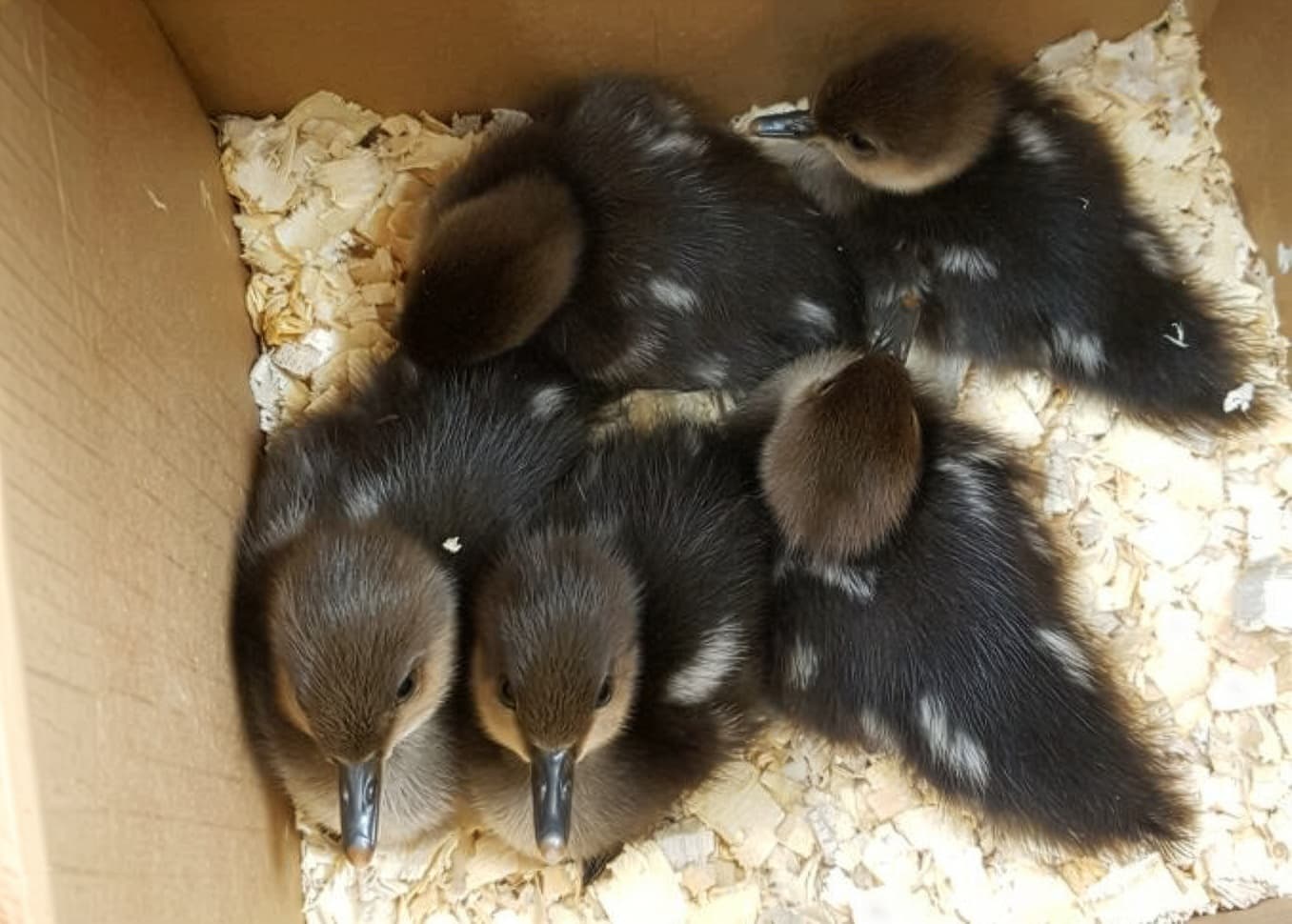
If you have captured an animal, handle them as little as possible. Even if they appear calm, cuddling and human contact is extremely stressful to wildlife and may even kill them. Put the animal in a cardboard box or other container with air holes and keep them in a warm, dark, quiet place, away from children and pets. Never give wildlife food or water unless instructed by a wildlife rehabilitator.

The MARS Wildlife Hospital is open 7 days a week. It is tremendously helpful if you can transport the animal to us, but if that isn’t possible please call to arrange for a volunteer to pick it up. The less time it takes for the animal to get here, the better its chances of successful rehabilitation! Remember it is illegal to keep wildlife in your possession for more than 24 hours.
If you've found a ...

Baby Bird

Many young birds found during the spring and summer months are in the process of “fledging” or leaving the nest and it’s normal for them to be on the ground for several days before they learn how to fly. Usually the fledgling’s parents are nearby and will return periodically to feed and protect their young. Unfortunately, many of these happy healthy fledglings are “kidnapped” by well-meaning members of the public who think they are injured!

The best mother for a baby bird is its own mother, so before you intervene:

  • Observe the bird from a distance
  • Keep curious children and pets away
  • Watch and listen for the parents
  • Determine if the baby is a nestling or fledgling (see descriptions below)
  • Look for signs of injury, such as blood or a drooping wing
  • Look for signs of illness, such as crusty eyes or beak
  • Look for signs that the bird is orphaned, such as fly eggs on the feathers
  • Phone MARS to speak to a wildlife rehabilitator
Nestling

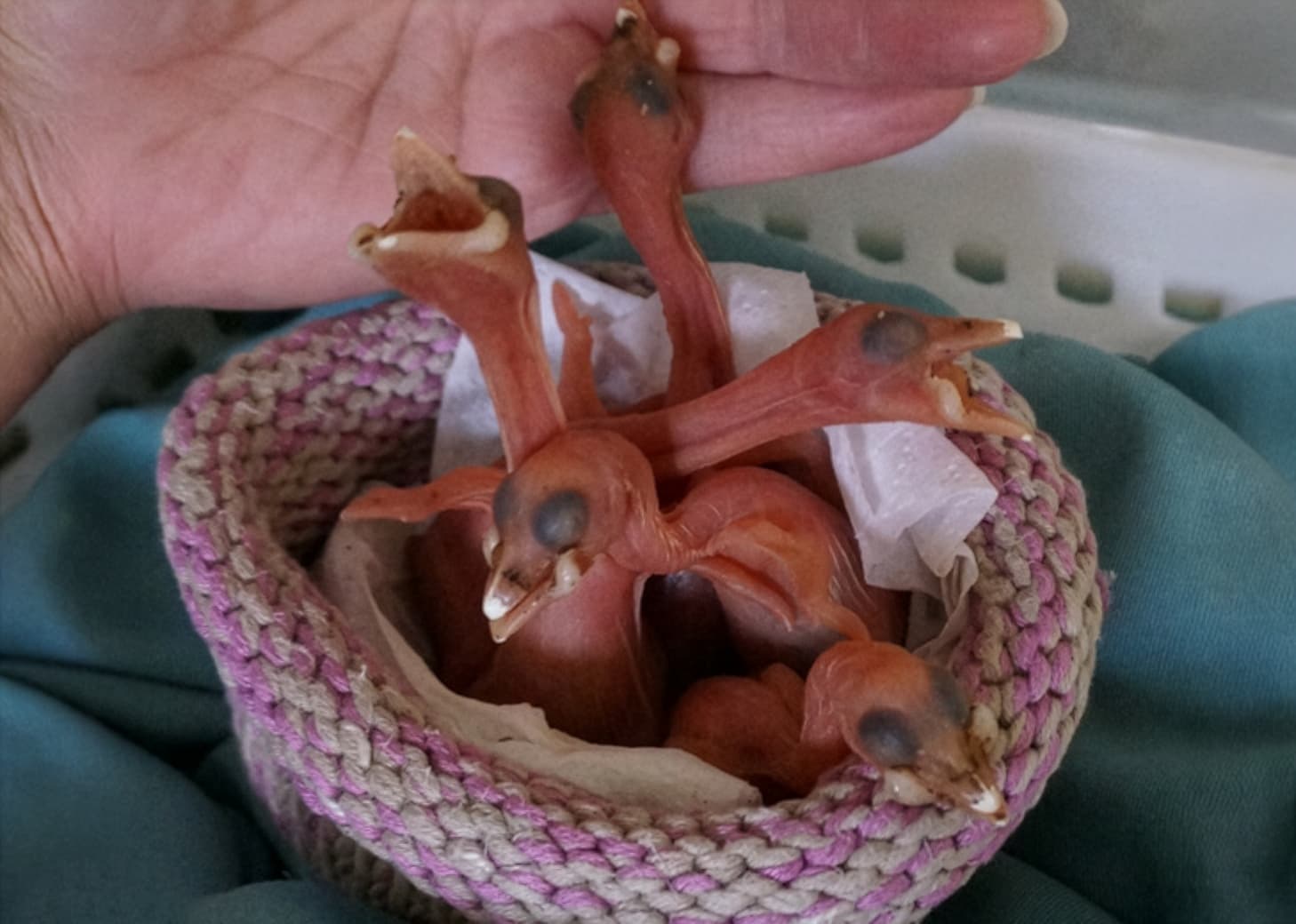
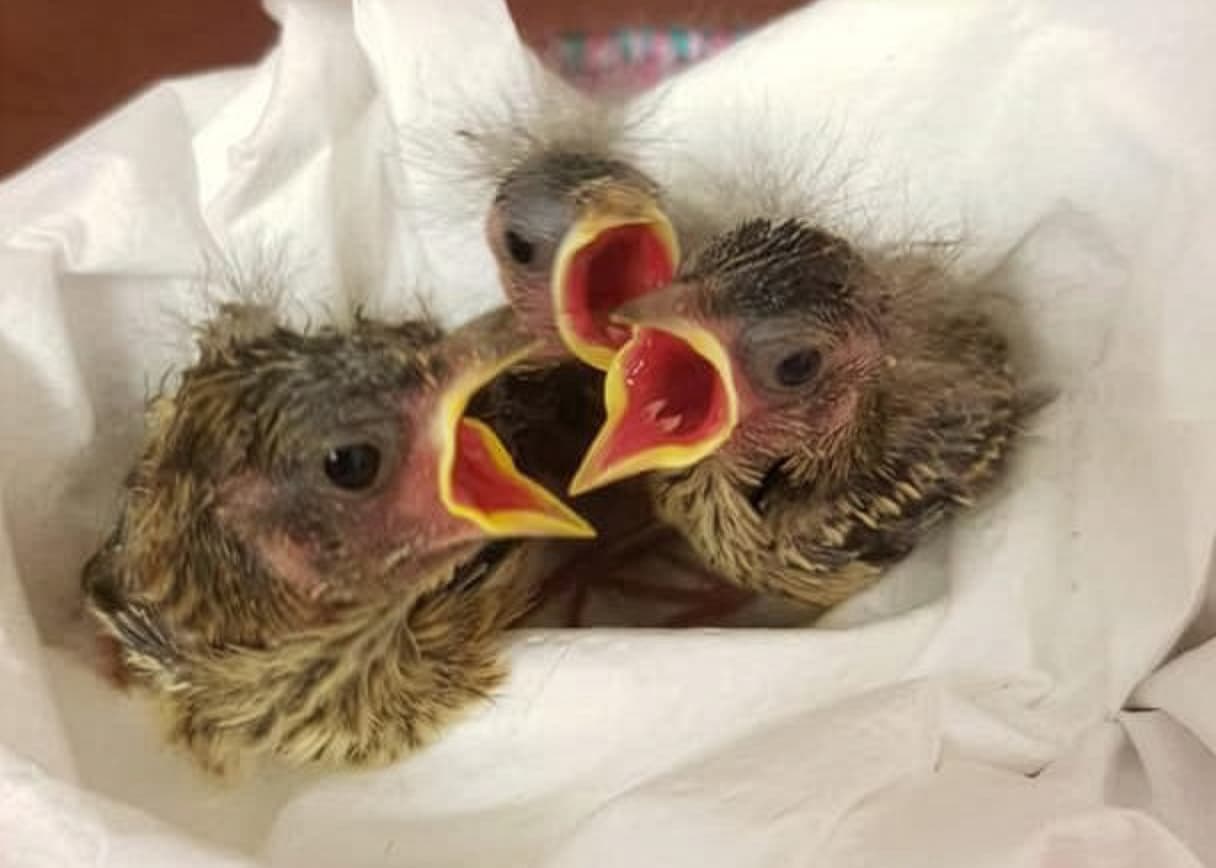
Nestlings are baby birds that have recently hatched and are not yet ready to leave the nest. They are blind and naked or covered with short pinfeathers and some fluff. Nestlings are unable to stand up, hop, or perch. They are totally vulnerable and rely on mom and dad for food and warmth. If you find a healthy nestling on the ground, try to locate the nest nearby. If the nest is intact, you can put the nestling back. It is a myth that bird parents will abandon their babies if a human has handled them! Make sure to put them back in the right nest — check for other siblings of the same age and species. Then watch from a distance to make sure that the parents return within 2 hours.

Nestling FAQ

  • Blind and naked, or have short pinfeathers and some fluff
  • Unable to stand up, hop, or perch
  • Rely on parents for food and warmth
  • Being on the ground is abnormal – must be in the nest
Fledgling

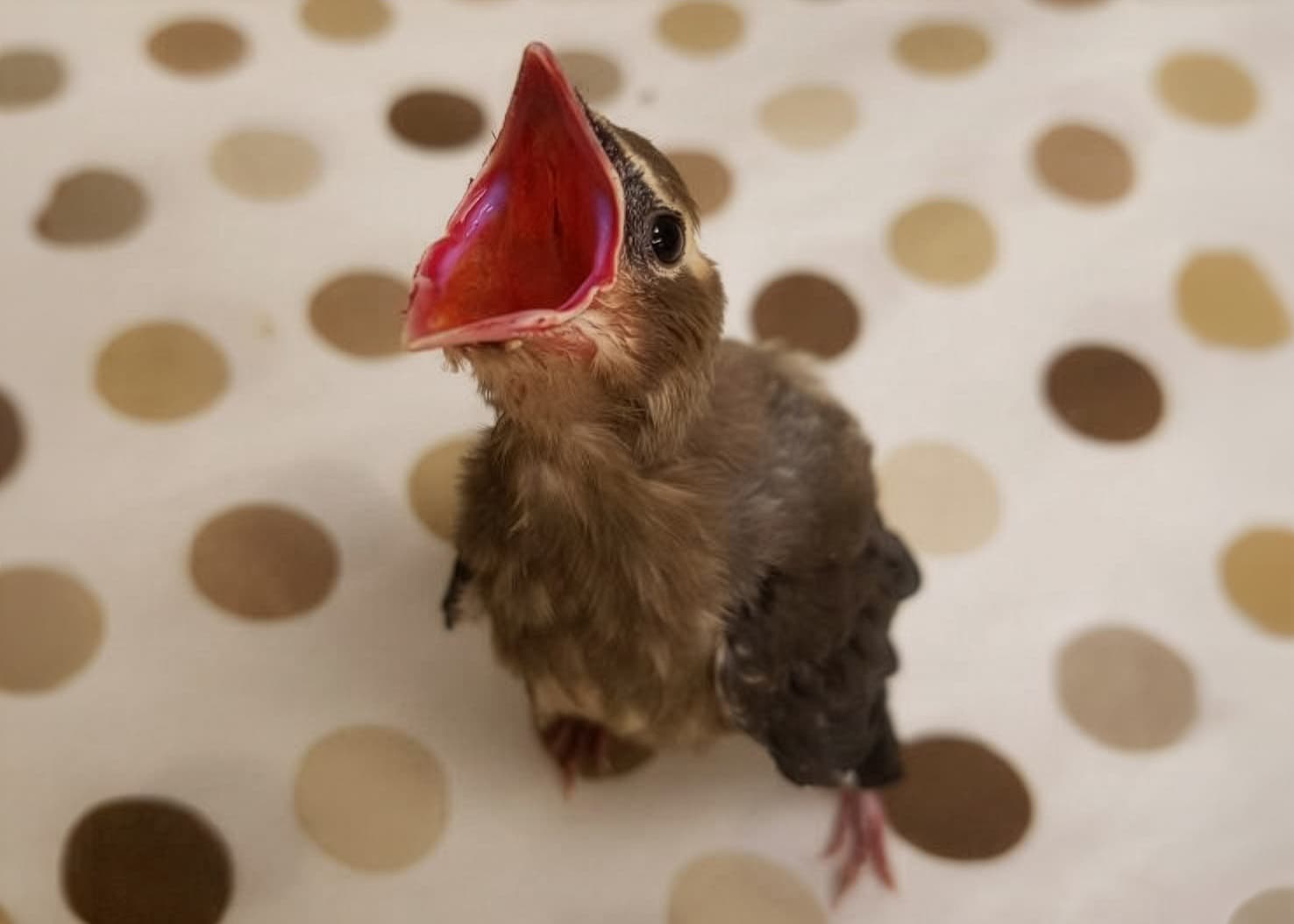
Fledglings are baby birds that have developed enough that they are ready to leave the nest but cannot fly. They are almost fully feathered, but the tail and wing feathers are too short for flight. Fledglings are able to stand up and hop and are learning to perch. They are much more independent than nestlings but still rely on mom and dad for food. If you find a healthy fledgeling on the ground, you can move it a short distance to a safer location, but otherwise please leave them alone. Being on the ground is a natural event – it doesn’t matter how many times you put fledglings back in the nest, they will jump back out. This is an important stage in their development, during which the parents will teach them how to find food and recognize predators. Watch from a distance to make sure that the parents return within 2 hours.

Fledgling FAQ

  • Almost fully feathered, but tail and wings too short for flight
  • Able to stand up, hop, learning to perch
  • More independent than nestlings, but still rely on parents for food
  • Being on the ground is normal – learning to fly
Brancher

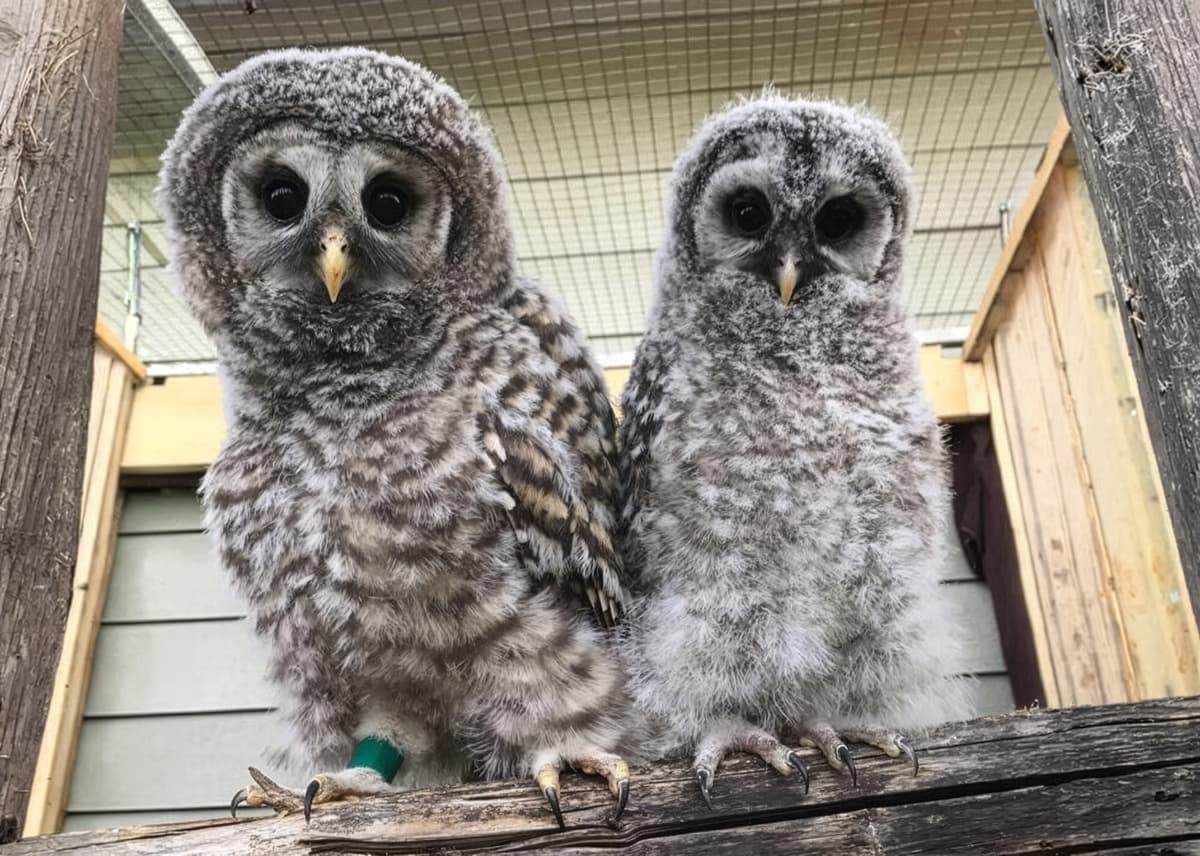
Brancher is another term for a fledgling. Owl and other raptor fledglings are often called branchers because rather than jumping to the ground after leaving the nest, they will perch on a branch nearby. Like fledglings, they are still unable to fly so can be mistaken for a bird in distress.

Brancher FAQ

  • Fledglings that perch on or near the nest, rather than hopping on the ground
  • Still learning to fly
  • Often owl/raptor species

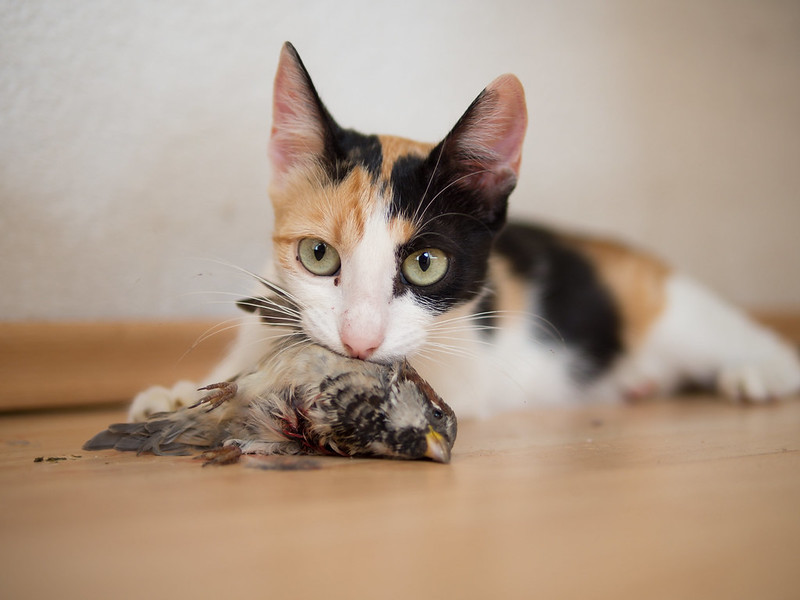
If a cat has caught an animal

Any animal that is in physical contact with a cat’s paws or mouth needs medical attention. Cat’s mouths harbour a number of bacteria, including Pasteurella multocida, Capnocytophaga canimorsus, Stretpcoccus, Staphylococcus, and Moraxella that need to be treated with antibiotics. Even if the animal doesn’t have any bite marks, there may be bacteria on the fur or feathers that is consumed during grooming that can cause major health issues.

Cat attacks are our most common reason for human-influenced admissions. In 2024 had over 140 patients admitted due to cat attacks alone, ranging from small birds (both babies and adults), juvenile squirrels, a raccoon kit, ducklings, garter snakes, bats, voles, and even a baby mink.

  • See all previous notes regarding the capture and containment of animals, noting what is said about not touching bats
  • Phone MARS to speak to a wildlife rehabilitator

Support Us

Get Involved

Become a member, volunteer, gain student work experience, or work with us.

Join Us

Donate Funds

Support wildlife through one time or monthly gifts, legacy giving, or adoption.

Donate Funds

Donate Goods

See current and everyday needs and learn what items we can and cannot accept.

Donate Goods